Wadi Hiking
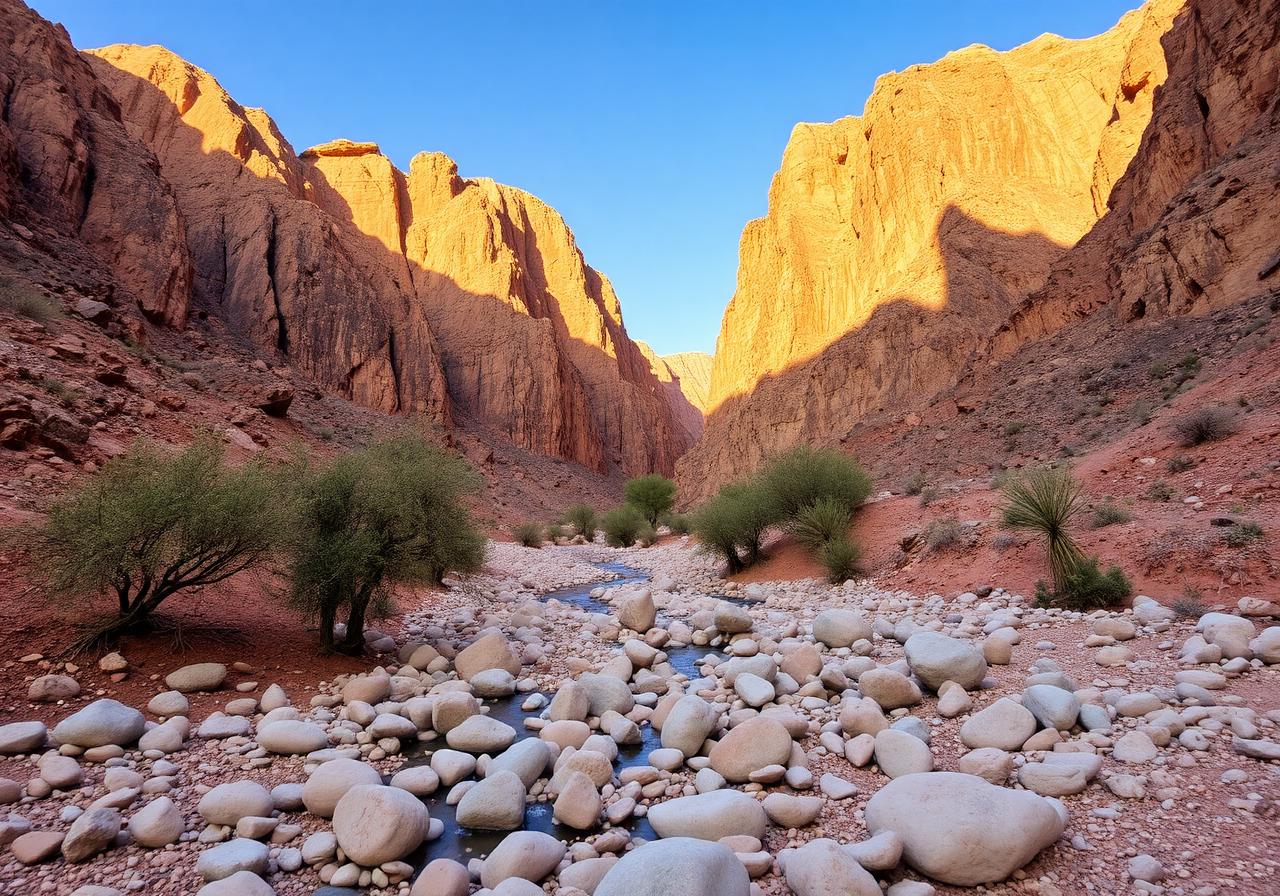
Walk the dry bed of the Wadi Ham at sunrise. Smooth boulders, acacia, and cliff walls in burnt ochre — accessible with sturdy shoes and good water.
Daftah is a place to walk, to drive carefully, to watch birds and stars, and to stand still long enough for the wadi to make sense.
Walk the dry bed of the Wadi Ham at sunrise. Smooth boulders, acacia, and cliff walls in burnt ochre — accessible with sturdy shoes and good water.

The Sharjah–Khor Fakkan road is itself a destination. Pull-outs offer extraordinary views; the tunnels are an experience in their own right.
The wadi ecosystem hosts wheatears, larks, doves, and seasonal migrants. Bring binoculars and patience for the early hours.
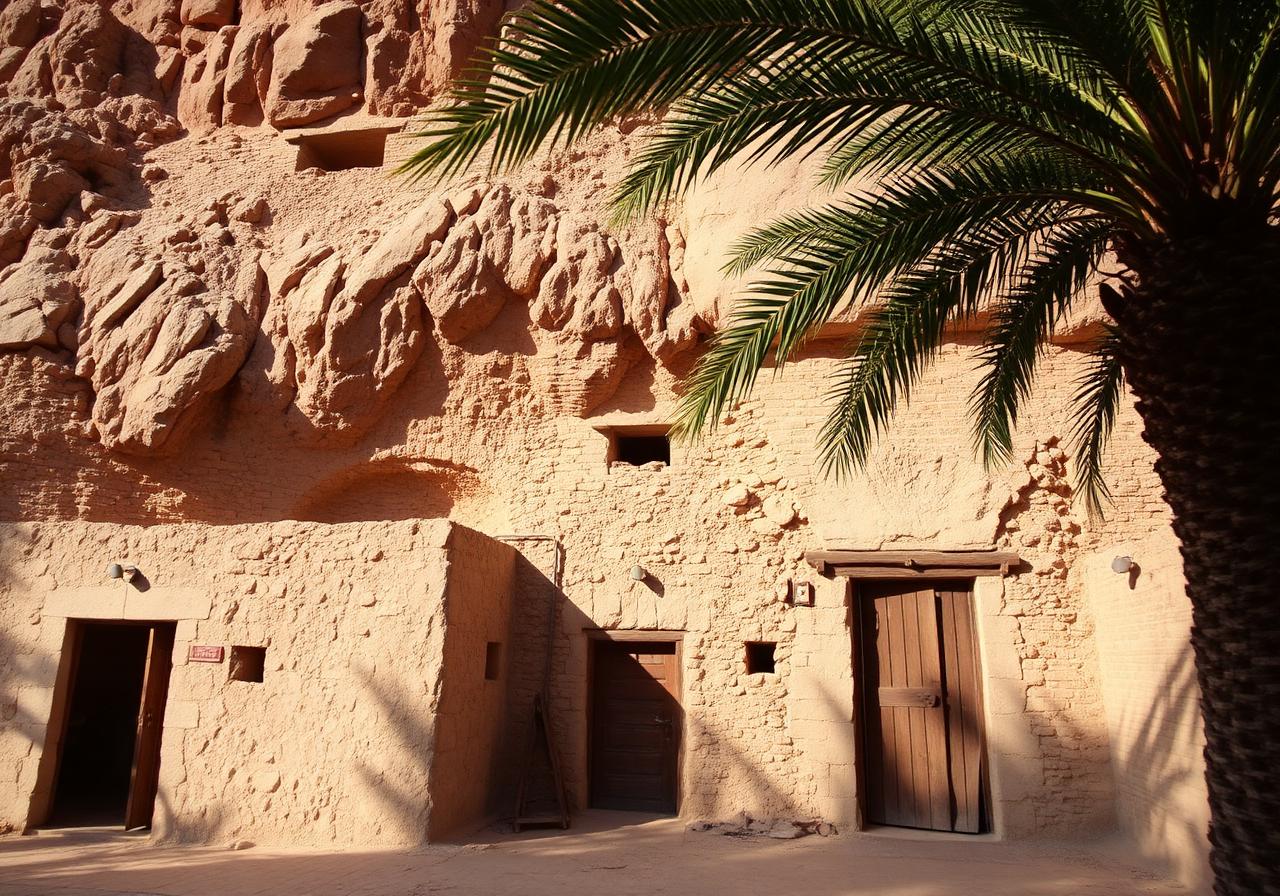
Old village ruins at golden hour, tunnel mouths against rock, and switchbacks from the heights — Daftah is a photographer's quiet workshop.
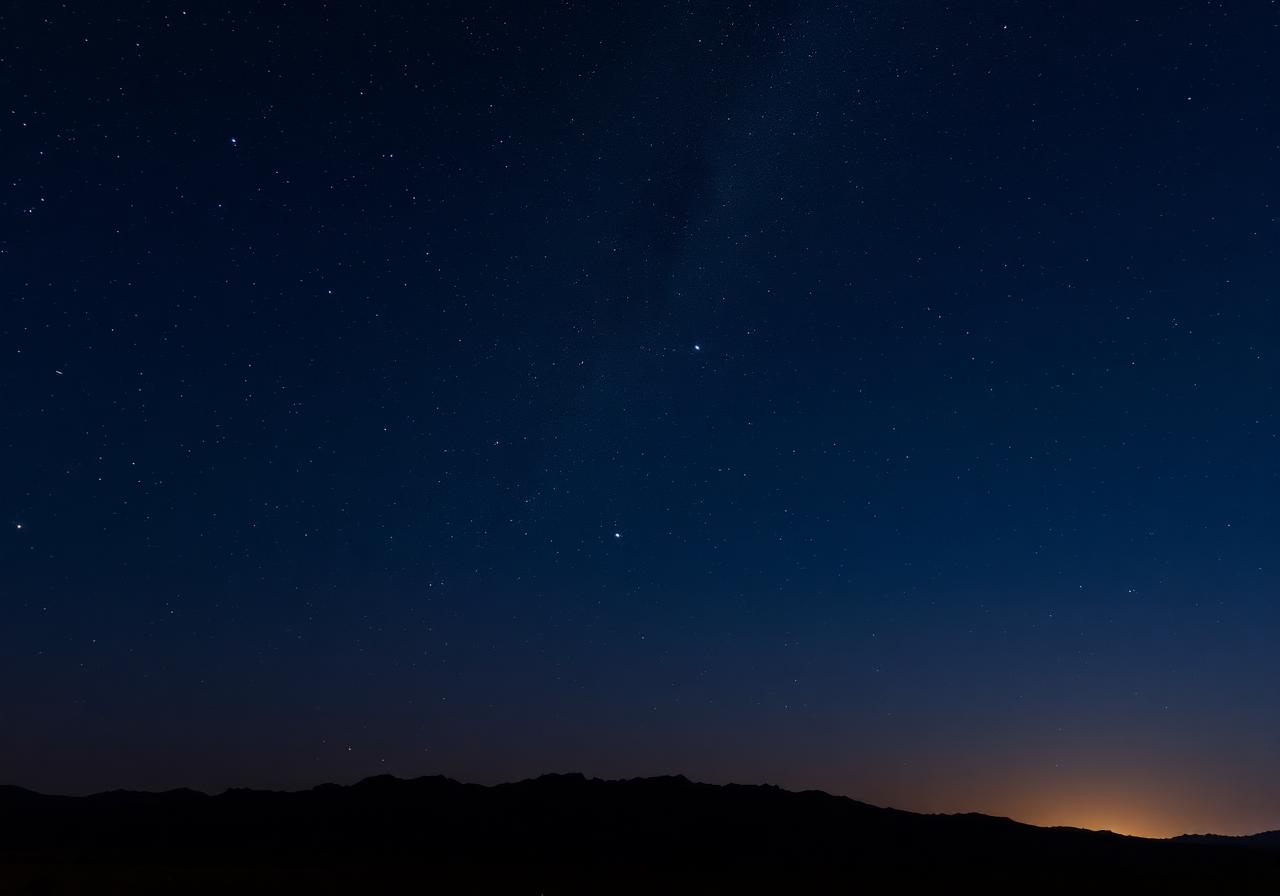
Distance from city light makes for some of the eastern UAE's best dark-sky moments. The Milky Way is visible in winter from the higher pull-outs.
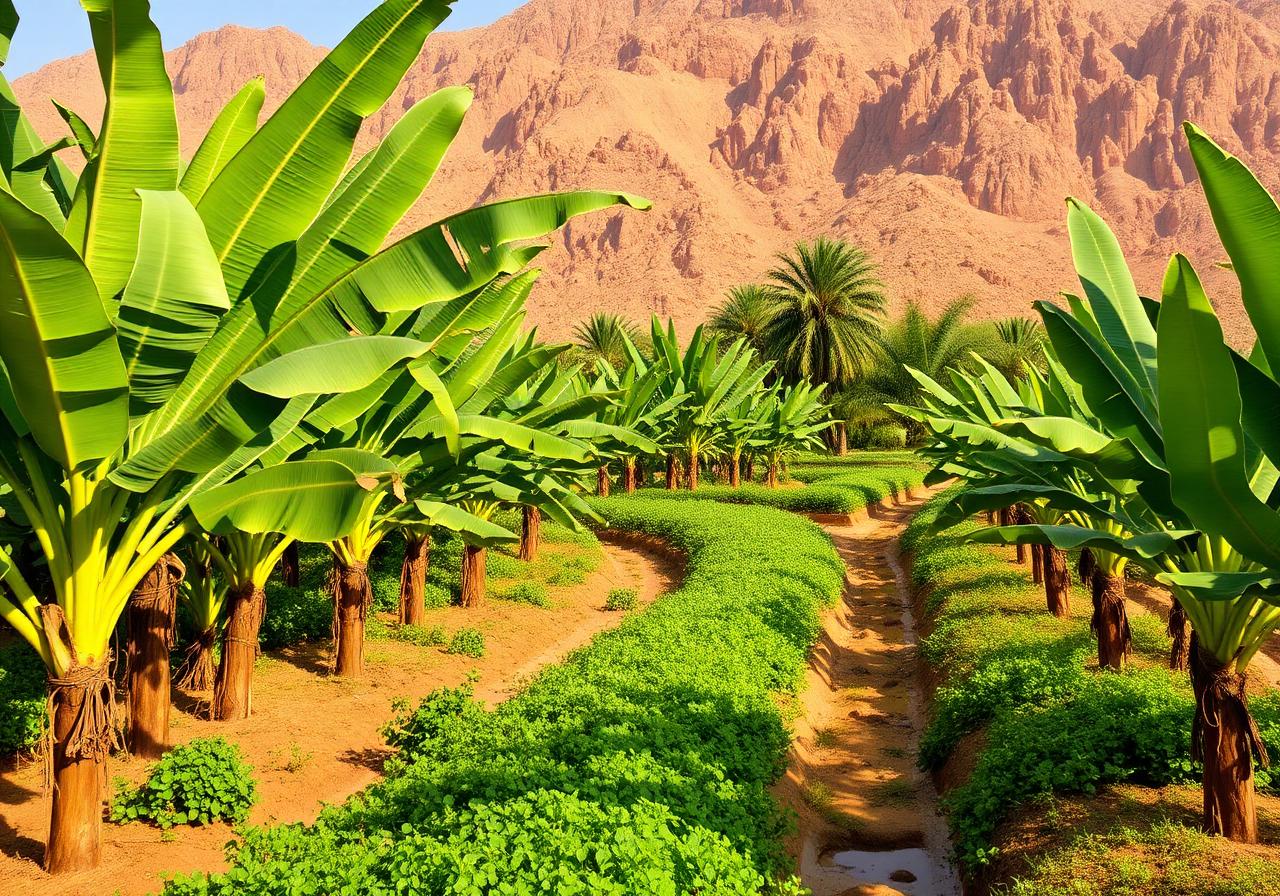
By appointment, walk the Wadi Dafta Plantation and meet the crops — cacao, longan, blue bananas — that aren't supposed to grow here.
Daytime temperatures are kind from October through April. Mornings are cool enough for hiking; evenings are clear enough for stars. From May to September the Hajar can be punishingly hot — visits are best confined to early morning and late afternoon, with extra water and a careful eye on heat.