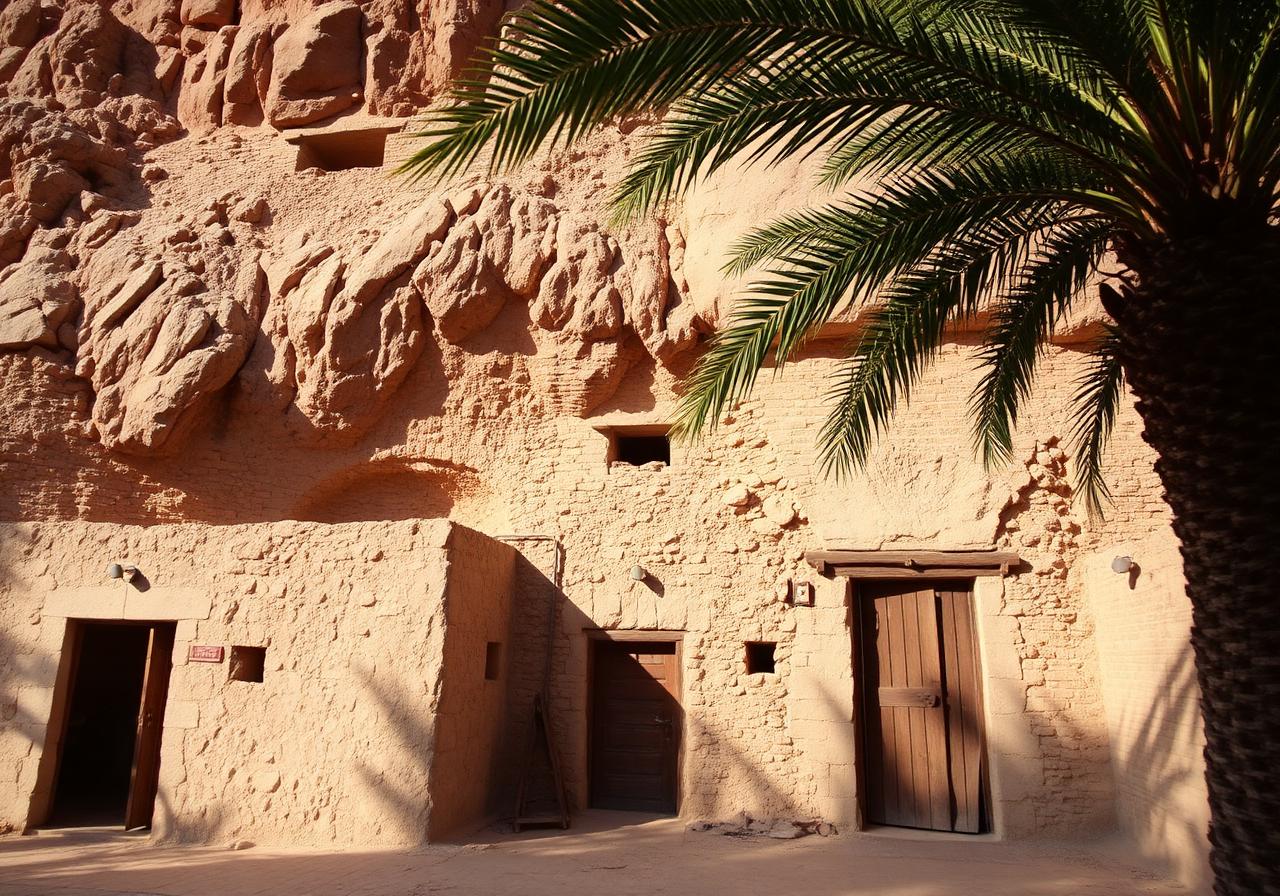
The Naqbiyin and three centuries of Daftah.
A UAE tribe of the eastern Hajar — settled across Sharjah and Ras Al Khaimah, and bound to the Wadi Ham by water, stone, and time.
A tribe of the eastern mountains.
The Naqbiyin (النقبيين) are a UAE tribe historically rooted across the eastern reach of the Hajar Mountains, with branches in both Sharjah and Ras Al Khaimah. Their presence is woven into the names of valleys — Wadi Naqab among them — and into the long memory of villages like Khatt and Daftah, where their settlement stretches back more than three hundred years.
Between roughly 1695 and 1740, in the era preceding the rise of the Qawasim along the coast, many Naqbiyin families migrated from the inner mountain settlements toward Dibba and Khor Fakkan. Land in Wadi Naqab gradually transitioned to the Habus tribe, even as Naqbiyin households remained anchored in the eastern wadis. By the early twentieth century, accounts describe approximately 1,800 settled Naqbiyin across the eastern region — farmers, primarily, who lived from the rhythms of the mountain year.
"The Naqbiyin are among the venerable tribes of the Emirates. They settled the eastern mountains — Wadi Ham in particular — and their name has been bound to the villages of Daftah and Khatt for more than three centuries."
From mountain pasture to a federal nation.
Settled at Khatt & Daftah
The Naqbiyin (النقبيين) hold long-established settlements in the Wadi Ham region. More than three centuries of continuous mountain habitation are attested in oral and written sources.
Pre-Qawasim displacement
Political shifts across the eastern coast push many Naqbiyin families from the inner mountains toward Dibba and Khor Fakkan, redrawing the human map of the Hajar.
Land transition in Wadi Naqab
Lands historically associated with the Naqbiyin pass gradually to the Habus tribe, while branches of the Naqbiyin retain a strong presence in the eastern wadis.
≈1,800 settled Naqbiyin
Across the eastern region, roughly 1,800 settled Naqbiyin are recorded — primarily farmers, sustained by date groves, falaj irrigation, goat herding and mountain trade.
Living heritage
Daftah remains a place where families trace lineage to those mountain centuries, and where stone houses, terraces and water channels still bear their hand.
How a mountain people lived.
Falaj Irrigation
Hand-cut channels guided wadi water from upstream springs to date groves and household terraces — a quiet engineering older than memory.
Date Farming
The date palm was both calendar and currency. Varieties were selected for the dry mountain climate and traded down to the coast.
Goat Herding
Small herds moved through the wadi by day. Goats provided milk, meat, hide, and a way to read the seasons.
Mountain Trade Routes
Tracks across the Hajar carried salt, dried fish, copper, and news between the inland villages and the eastern ports.